

You can start with either, and no referral is needed to book here. A GP looks at your whole health and can prescribe medicines or arrange tests and referrals. A chiropractor examines how the spine, joints, muscles and nerves are working. Emergency signs mean a hospital first, and certain others mean a GP first.

What each one is for
A GP’s view runs across your whole health, over time. For back and neck pain that means weighing causes outside the muscles and joints, reviewing the medicines you take, prescribing, arranging blood tests or imaging, and referring you on to a medical specialist when one is needed.
A chiropractor’s work centres on the spine, joints, muscles and nerves, and how they behave as you move. The first visit here is an examination of that, with the findings explained the same day. What follows can include gentle joint mobilisation, instrument adjusting and drop-piece techniques, exercise, and advice about what to do between appointments. None of that is automatic, and any part of it can be declined.
The overlap is real. Both take a history and screen for things that need urgent attention, and both should explain what they think is going on. That is why starting with either is reasonable, and why a fever or new weakness in a leg matters more than the order.
The signs that make a GP the first call
A few things point to a GP before any hands-on appointment. Each one can have a cause beyond the muscles and joints, and a GP is the person who can look at the whole picture, order the tests and decide what comes next.
- Your history points somewhere else. A history of cancer, unexplained weight loss, known osteoporosis with new severe pain, or new, unexplained back pain as an older adult.
- The pain does not behave. Pain at night that will not settle in any position, or pain that does not vary at all with rest, movement or position.
- Feeling or strength has changed. Pins and needles, numbness or weakness in an arm or hand, or numbness that is spreading or getting worse slowly. Weakness that is severe or getting worse, or numbness that is spreading quickly, goes past a GP, straight to a hospital emergency department.
- The question is a medical one. A medicine you take or want to review, a blood test, or a referral for a further opinion. These sit with your GP whatever is happening in the spine.
None of these tells you what is wrong. They are reasons for a medical look first, and a GP who rules them out has made the next appointment easier to plan.
Some signs go past a GP altogether and mean an ambulance or a hospital emergency department. If one of those fits, that comes first, ahead of a GP appointment or anything here.
If back or neck pain arrives with symptoms elsewhere in the body that you cannot connect to it, describe them to a GP, unless one of them is an emergency sign, which goes to the hospital first.
Referrals, medicines and a few practical questions
Do you need a referral? Not to book here. You can request an appointment directly. A GP’s letter, a recent report or a list of your medicines is useful to bring, and none of them is required. A referral matters for other steps: seeing a medical specialist usually starts with a GP, so your GP is the person to ask about that, and about blood tests.
What about pain medicines? Those are a conversation for your GP or pharmacist. An assessment here asks what you are taking and how often, because it is part of the picture, and it does not change anything your GP has prescribed.
Should you tell your GP you are seeing a chiropractor? Yes. Your GP is better placed when they know what else is going on, and the same is true here.
What if the two views differ? Ask each what they found and why. They may be looking at different parts of the same picture, and a difference is a reason to ask a question, not to pick a side.
How the two fit together
They are not alternatives. If nothing sends you to hospital or to your GP first, there is no wrong order: what matters is that whichever door you go through starts with a proper history and examination, and that anything that belongs with the other one is passed along.
In practice the two combine in a few ordinary ways.
- A GP first, then an assessment. Bring what the GP said, any results and your medicines. The assessment starts from there, not from nothing.
- An assessment first, with your GP kept informed. If the examination turns up something that belongs with a doctor, you are told in plain words what it is and why, and the clinic can write to your GP.
- Both at once. Medicines, blood tests and medical referrals sit with the GP. Hands-on work, exercise and what to change in your day sit here. Neither replaces the other.
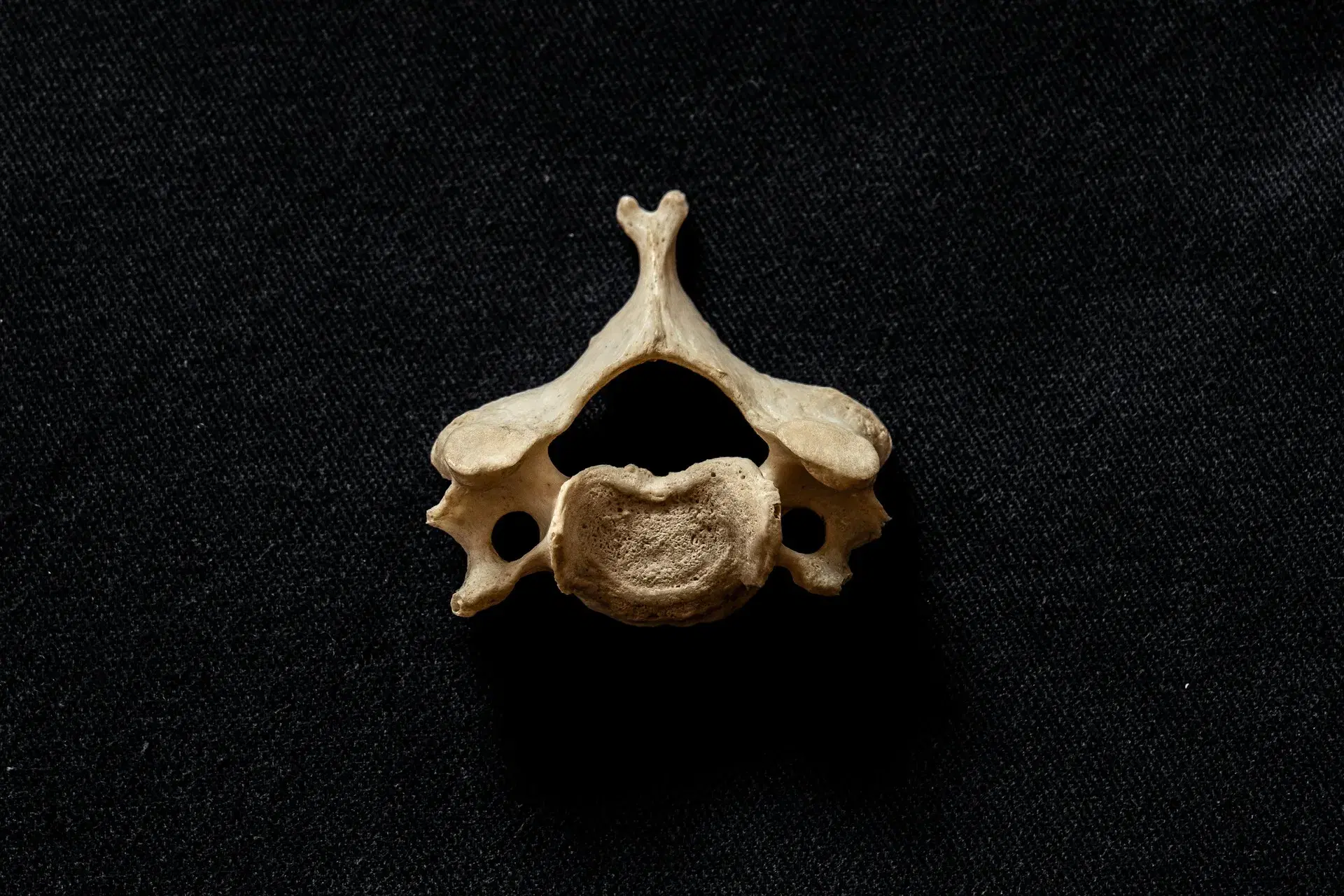
Scans come up on both sides. A GP can arrange imaging, and the clinic refers for imaging when clinically indicated, not as a matter of routine. Whether you need a scan before seeing a chiropractor comes down to what the history and examination find, and for a lot of people the answer is no.
If what you are really choosing is a hands-on profession, the question becomes chiropractor, physio or osteopath. Whether hands-on care suits you is settled at the examination, and it is fair to ask what the evidence says about chiropractic care, risks included.
What to bring, whichever you see
Either appointment goes further with a few things in hand.
- Your medicines. Prescription, over the counter and supplements, including how often you take pain relief.
- Anything you already have in writing. Scan reports, test results, a GP summary. Note the date: an old report describes how things were then.
- A few lines on how it started. The day, the activity before it, and what you have tried since.
- What matters most to you. Sleeping through the night, a full day at the desk, a training session. Whoever you see can aim at that.
If a GP has already seen you, ask what has been ruled out and what has not. It tells the next person where the picture is complete and where it still has gaps.
If you are still deciding whether it is time to book at all, it helps to know when to see a chiropractor and when a hospital or a GP comes first instead.
When to get it looked at
A warning sign decides who you see first, whatever else is going on.
Call an ambulance if there is any confusion, sudden weakness or numbness in the face, arm or leg on one side, facial drooping, slurred speech, sudden trouble speaking, seeing or understanding, loss of vision, a seizure, or a sudden loss of balance or coordination.
Call an ambulance or go to a hospital emergency department straight away if a headache comes on suddenly and severely (the worst you have ever had), if a headache arrives with fever, a stiff neck or a rash, or if a headache follows a knock to the head.
Call an ambulance if pain between the shoulder blades comes with chest pain, pressure or tightness, shortness of breath, sweating, nausea or dizziness, or pain spreading into the arm, jaw or neck. Call an ambulance if arm, jaw or neck pain comes with chest pain, pressure or tightness, shortness of breath, sweating, nausea or dizziness. Call an ambulance if pain in the chest or upper back comes on suddenly and severely and feels sharp, ripping or tearing.
Go to a hospital emergency department straight away if you have numbness or altered feeling around the saddle area, meaning the groin, the inner thighs, the buttocks or the genitals; a loss of normal sensation in the genitals, including during sex; trouble starting to pass urine, or any new change in your bladder or bowel control; weakness in both legs, particularly if it is getting worse; new or worsening pain running down both legs; weakness in one leg that is severe or getting worse, or a foot that has started to catch or drag when you walk; or numbness in a leg that is spreading or getting worse quickly.
Go to a hospital emergency department straight away for back or neck pain after a serious fall or a high-impact accident, such as a car accident; back or neck pain with a fever or feeling generally unwell; or new back or neck pain if your immune system is weakened, for instance by long-term steroids or chemotherapy, if you inject drugs, or if you have recently had a spinal injection, spinal surgery or a dental procedure.
Go to a hospital emergency department straight away if you have weakness in one arm that is severe or getting worse, or numbness in an arm that is spreading or getting worse quickly.
Go to a hospital emergency department the same day if you have new clumsiness in both hands, or new unsteadiness on your feet.
See your GP promptly, before booking here, if you have a history of cancer, unexplained weight loss, pain at night that will not settle in any position, known osteoporosis with new severe pain, numbness that is spreading or getting worse slowly, new, unexplained back pain as an older adult, or pins and needles, numbness or weakness in an arm or hand.
Without any warning sign, an assessment here needs neither a GP referral nor a scan first, and a sore back or neck that has dragged on is reason enough to request one. If you would like your GP kept up to date with what the examination finds, ask about it at the visit.