
Usually not. You do not need an X-ray, an MRI or any other scan before your first visit. For most back and neck pain, a careful history and a hands-on examination tell us what we need to know. We only refer for imaging when clinically indicated, and for a lot of people it is not.
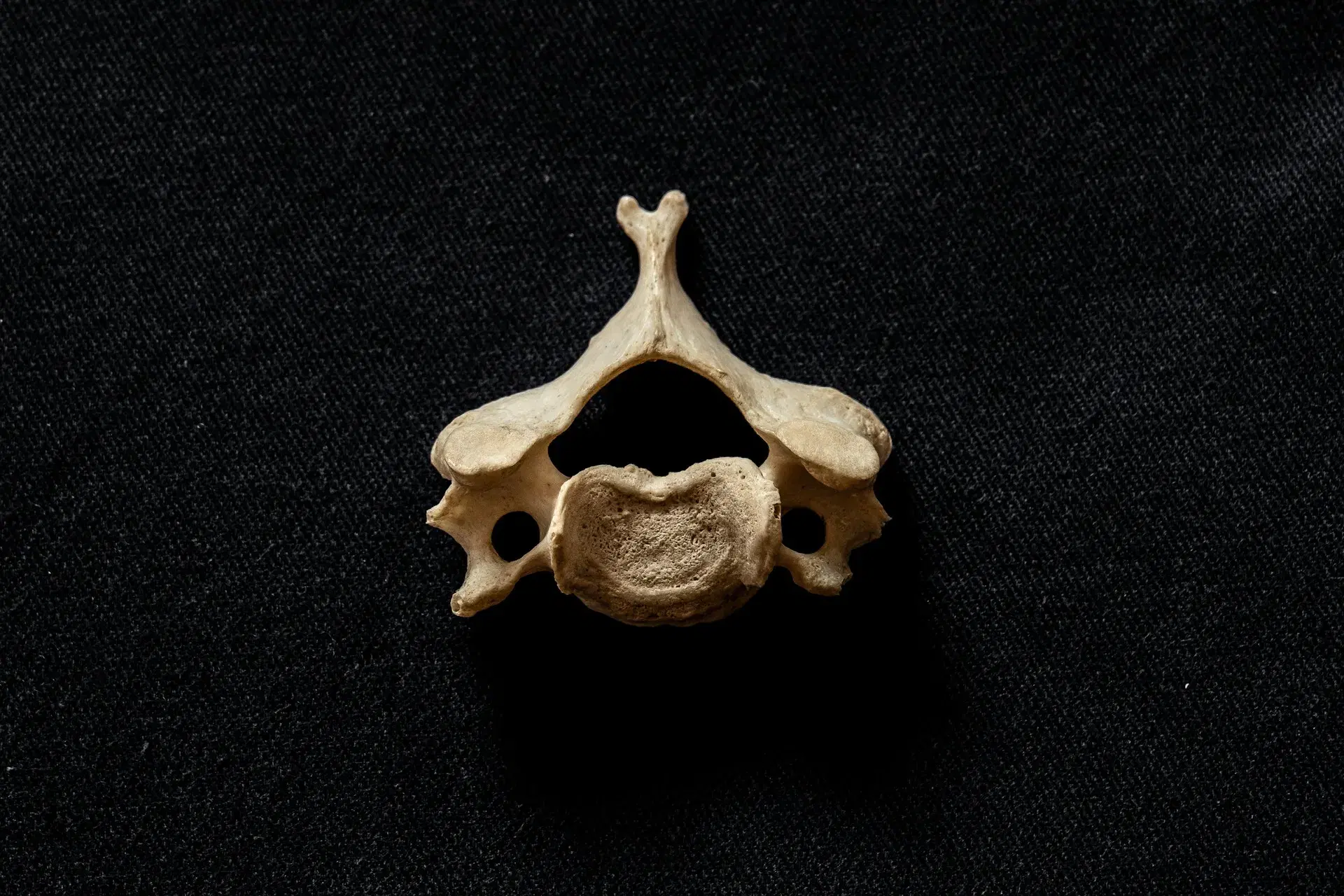
What an examination tells us that a scan cannot
A scan is a still photograph of your anatomy. It is very good at showing structure, and it shows nothing at all about how you move.
It cannot tell us which movement reproduces your pain, which joint has stopped gliding, how irritable the problem is today, whether a nerve is behaving normally, or what you can safely do this week. Those answers come from your story and from the examination.
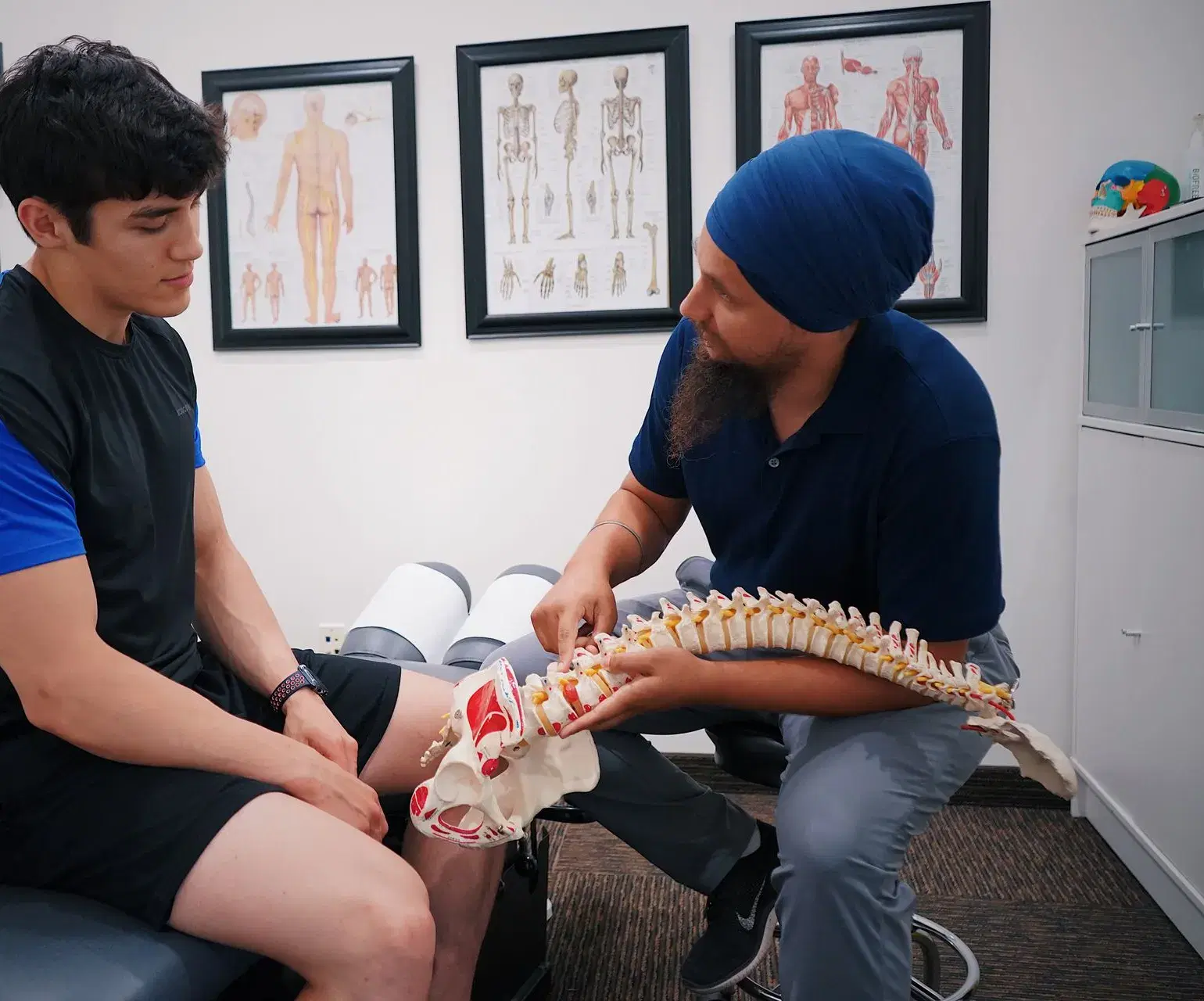
So the first visit starts with questions. What were you doing when it started. What eases it and what stirs it up. Is it worse in the morning or by the end of the day. Does anything travel into your arm or leg. Then we test it: how your spine and joints move, your strength, your reflexes, your sensation, and how the painful area responds when we load it in different directions.
That is what builds a picture we can act on. A scan can add to it. It rarely replaces it.
Why scan findings can be misleading
Here is the part people are not usually told: disc bulges, dried-out discs, wear-and-tear changes and spinal arthritis show up on the scans of plenty of people who have no pain at all. These findings become more common as we get older. In many cases they are a sign that time has passed, not proof of what is hurting.
That matters, because a finding on its own does not tell us it is the cause of your problem. It has to match your story and your examination before it means anything. We go through this in more detail in what’s actually happening when a disc bulges.
It also matters because words do damage. Being told at 42 that you have a degenerating spine, when you are otherwise well, can leave a person frightened of bending, lifting or exercising. That fear can stop people doing the ordinary movement that staying active depends on. When we do go through imaging with you, we say plainly what is relevant, what is normal for your age, and what you can ignore.
When a scan does earn its place
There are a few real reasons to image, and when one applies we will not hesitate to refer you:
- A suspected fracture after a minor fall, particularly if you have osteoporosis
- You are being considered for a specialist or surgical opinion, and the imaging will guide that decision
- A structural question worth tracking, such as a scoliosis being monitored in a teenager
If one of these comes with a sign from the last section, that sign decides where you go first: a hospital emergency department or your GP. Waiting for a scan is never a reason to delay.
If your examination points that way, we will refer you for imaging or write to your GP, depending on what is needed. If it does not point that way, we will tell you that too, and explain why, rather than sending you off for a scan to look thorough.
If you already have a scan, bring it
Plenty of people arrive with a report they have read three times and understood once. Bring it, along with the images if you have them, and we will go through it together.
One caution: do not let an old scan drive today’s care. A report from three years ago describes a spine from three years ago, and both the findings and your symptoms may have moved on since. What you feel now, and what we find on examination now, carry more weight.
When to get it looked at
Go to a hospital emergency department straight away if you have numbness or altered feeling around the saddle area, meaning the groin, the inner thighs, the buttocks or the genitals; a loss of normal sensation in the genitals, including during sex; trouble starting to pass urine, or any new change in your bladder or bowel control; weakness in both legs, particularly if it is getting worse; new or worsening pain running down both legs; weakness in one leg that is severe or getting worse, or a foot that has started to catch or drag when you walk; or numbness in a leg that is spreading or getting worse quickly.
Go to a hospital emergency department straight away for back or neck pain after a serious fall or a high-impact accident, such as a car accident; back or neck pain with a fever or feeling generally unwell; or new back or neck pain if your immune system is weakened, for instance by long-term steroids or chemotherapy, if you inject drugs, or if you have recently had a spinal injection, spinal surgery or a dental procedure. Go to a hospital emergency department straight away if you have weakness in one arm that is severe or getting worse, or numbness in an arm that is spreading or getting worse quickly. Go to a hospital emergency department the same day if you have new clumsiness in both hands, or new unsteadiness on your feet.
See your GP promptly, before booking here, if you have a history of cancer, unexplained weight loss, pain at night that will not settle in any position, known osteoporosis with new severe pain, numbness that is spreading or getting worse slowly, new, unexplained back pain as an older adult, or pins and needles, numbness or weakness in an arm or hand.
For everything else (the sore back, the stiff neck, the ache that has been building for a month), you do not need a scan and you do not need a referral to book an assessment. Come in, and we will work out together whether imaging would actually change anything.
If the ache started with training rather than an accident, our guide on telling a niggle from a real injury is a good place to start before you book.