

What actually gets pulled
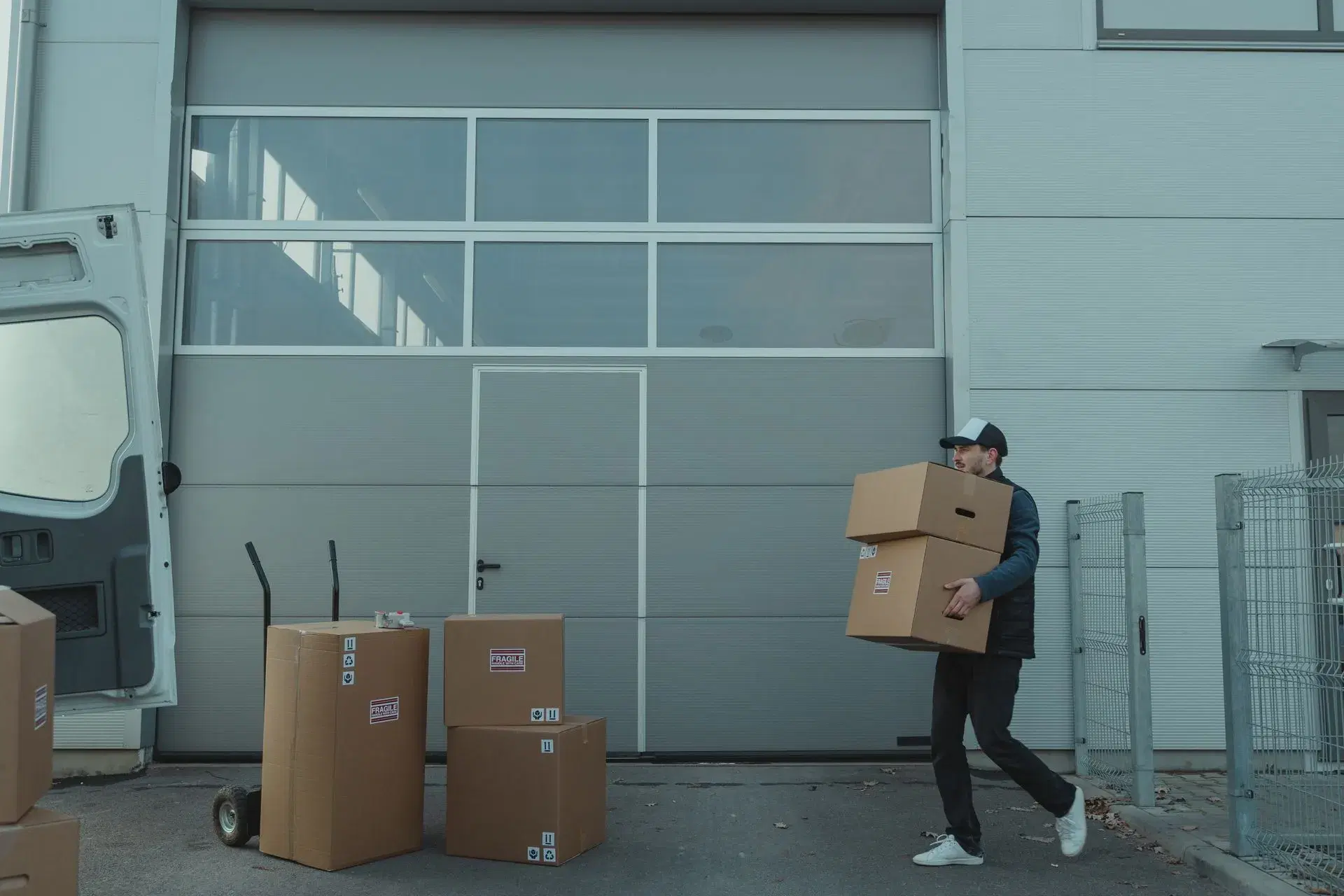
Two long columns of muscle run up either side of the lower spine, with a layer of smaller, deeper muscles tying each bone to the next. A pull, or strain, is when some fibres in one of them are overstretched or partly torn. It tends to happen when the muscle is asked for a sudden effort it was not ready for: lifting a box with a twist, a slip on a wet step, a sprint for a train, or a day of unaccustomed work in the garden.
The first two days, in order
The pain is typically sharp or tearing at the moment, or arrives a few hours later as a deep ache. By evening the muscles around it tighten in a protective spasm and the back feels stuck. The next morning is often the stiffest part, with turning over in bed and getting out of a chair the hardest movements. The pain stays in the back and buttock, is sore to press along a band beside the spine, and does not usually travel below the knee.
Three questions that sort a muscle from a disc or a joint
- What set it off? A sudden effort, a twist or a heavy day points to muscle. A slow build over days of sitting, then a bend and a twinge, leans towards a disc.
- Where does it sit? A band or patch beside the spine that is tender to press leans towards muscle. A pinpoint spot that catches when you lean back or twist leans towards a joint at the back of the spine, and a low, off-centre spot towards the sacroiliac joint.
- Does it travel? Pain that stays in the back fits a muscle. Pain that runs past the knee, or comes with pins and needles or weakness, points to a nerve, and the leg gets tested. Pain that stops in the buttock or upper thigh can come from either.
It can be both: a strained muscle is a common companion to a sore disc or joint, because a back protecting one problem tightens up around it. Pain on one side only is sorted by where it sits in lower back pain on one side, and a sneeze can set off any of them, because back pain when sneezing is a sudden jolt through a back that is already irritable.
The usual course
The Royal Australian College of General Practitioners’ 2022 guidance for GPs on imaging in adults with acute low back pain says non-specific low back pain has a good prognosis, usually improving within four weeks where people use simple pain strategies, avoid bed rest and keep up their usual activities. That is the usual course of the condition in general, not a forecast for your back, so a pulled muscle that is still sore after a week is not unusual.
The pattern is the thing to watch. Soreness that peaks in the first couple of days and then levels out is behaving the way a strain usually does. Pain that is getting worse each day, or spreading, is not. For what to expect, and what to ask if it hangs around, read how long back pain lasts.
Moving, resting and warming a sore back
A sensible first day or two is shorter, gentler versions of ordinary life rather than bed. The Royal Australian College of General Practitioners’ Handbook of Non-Drug Interventions (2019) recommends staying active, instead of resting in bed, for a low back pain episode of less than six weeks, and describes that as continuing with normal daily activities as much as possible, including going to work. Short rests are fine.
Heat is a matter of what feels comfortable, and the choice between heat or ice for back pain is about comfort rather than a test of what is wrong. The other two questions that come up on day one are whether to rest or keep moving and which lower back stretches are worth doing.
What a pulled-muscle label can hide
A muscle strain is a working explanation. It is what a back that hurts after a lift is often called, and sometimes it is exactly right. A chiropractic assessment for lower back pain tests the explanation against the alternatives. It looks at which movements reproduce the pain, presses along the muscles and over the joints, tests the hips and the sacroiliac joint, checks strength, reflexes and sensation in the legs, and asks about the things that do not fit a strain: a fever, weight loss, or pain that wakes you and will not settle. In an older adult, or anyone with osteoporosis or long-term steroid use, pain after a small lift can be a fracture in the spine rather than a strain, so that history is asked about too. Under the college’s 2022 guidance, imaging is not part of every assessment: for acute low back pain it follows, when clinically indicated, a careful clinical assessment that has raised a high suspicion of a serious cause.
When to get it looked at
Go to a hospital emergency department straight away if you have numbness or altered feeling around the saddle area, meaning the groin, the inner thighs, the buttocks or the genitals; a loss of normal sensation in the genitals, including during sex; trouble starting to pass urine, or any new change in your bladder or bowel control; weakness in both legs, particularly if it is getting worse; new or worsening pain running down both legs; weakness in one leg that is severe or getting worse, or a foot that has started to catch or drag when you walk; or numbness in a leg that is spreading or getting worse quickly.
Go to a hospital emergency department straight away for back or neck pain after a serious fall or a high-impact accident, such as a car accident; back or neck pain with a fever or feeling generally unwell; or new back or neck pain if your immune system is weakened, for instance by long-term steroids or chemotherapy, if you inject drugs, or if you have recently had a spinal injection, spinal surgery or a dental procedure.
Go to a hospital emergency department the same day if you have new clumsiness in both hands, or new unsteadiness on your feet.
See your GP promptly, before booking here, if you have a history of cancer, unexplained weight loss, pain at night that will not settle in any position, known osteoporosis with new severe pain, numbness that is spreading or getting worse slowly, or new, unexplained back pain as an older adult.
A strain that is getting worse each day instead of levelling out, that has begun to travel into the buttock or leg, or that is still bothering you after several weeks of staying active should be assessed. So should one that keeps coming back to the same spot.