

They do different jobs, so it depends on the question you want answered. A massage works on tight muscle. A chiropractic appointment starts by assessing how your spine and limbs move, then explains what it found. If the pain is new or unexplained, have it assessed first and add massage afterwards if you want it.
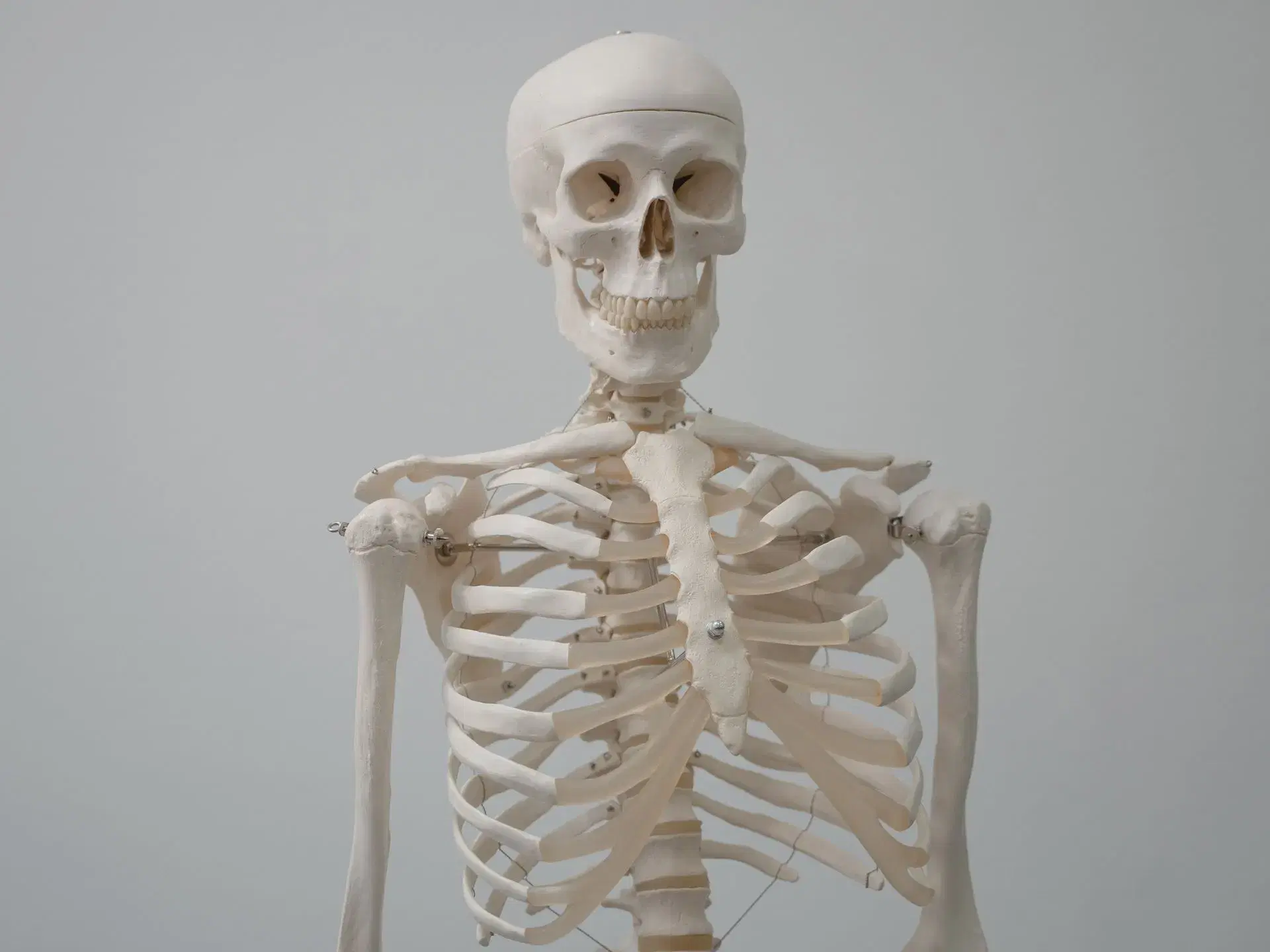
A massage and an assessment answer different questions
Massage works on the muscles and the soft tissue around them. You lie on a table, the therapist works through the areas that feel tight or tender, and the pressure runs from light to firm depending on the style and on what you ask for. Plenty of people book one because it feels good, and that is a perfectly good reason.
A chiropractic appointment is built around a different question: what is going on with the way you move? It opens with your history and an examination, and the hands-on part comes after that. Here it can include gentle joint mobilisation, instrument adjusting or drop-piece technique, soft-tissue work, and exercises and advice for the days between visits. Which of those you are offered depends on what the examination finds, and you can decline any part of it.
This clinic does not offer massage, so you are getting the chiropractic side of the comparison. Soft-tissue work does sit inside a chiropractic appointment, which is one reason the two get mixed up. There it is one part of the visit. In a massage it is the whole session.
What each one can find out
A good massage therapist learns a lot through their hands: where a muscle is tight or tender, and how one side compares with the other. They will usually ask what you do all day and what you have been up to lately. That tells them a good deal about the muscle. It does not, on its own, explain why the muscle is working so hard.
A knot in the back is a good example. It is a firm, tender spot you can find with your fingers, but the spot is where the pain shows, not always where it begins. Muscle knots in the back tend to return when the muscle goes back to the same job every day. The top of the shoulders works the same way. A tender trapezius is easy to find, but with trapezius pain the neck is sometimes behind it.
A chiropractic assessment looks at more than the tissue. After your history it checks how the joints of your spine and limbs move, which ones are tender, and how strong the muscles are. If your symptoms travel, it adds the reflexes and the feeling in your arms or legs: tests on the nerves, muscles and joints your symptoms point to. It also screens for the short list of problems that belong with a GP or a hospital, and the findings are explained the same day.
Whichever you choose, it is fair to ask what training the person has and what they will do first. A practitioner who asks questions before touching anything is telling you how they work, and in either room you should be able to ask for lighter pressure or for them to stop.
Chiropractic is a registered profession in Australia. If you are weighing it up against physiotherapy and osteopathy, start with choosing a chiropractor, physio or osteopath. If you want to know what happens in the appointment itself, read up on what a chiropractor does.
Where the two overlap
On paper the overlap is large, because both put hands on soft tissue. One guideline from outside Australia puts them in the same category too. In its Low back pain and sciatica in over 16s: assessment and management (NG59), amended in 2026, the National Institute for Health and Care Excellence says to consider manual therapy, meaning spinal manipulation, mobilisation or soft tissue techniques such as massage, for managing low back pain with or without sciatica, but only as part of a treatment package that includes exercise.
The guideline does not rank one profession above another. It names the hands-on techniques together and attaches the same condition to all of them, exercise alongside, so it considers neither a massage nor an adjustment as a plan on its own. It is about low back pain and sciatica, so it tells you nothing either way about the neck or the shoulders.
That makes a fair question for any hands-on appointment: what are you being asked to do on the days in between?
A sensible order if you use both
Nothing says one has to come first, but there is a practical order.
- Assessment first when the pain is new or unexplained. If it started with an injury, travels into an arm or a leg, comes with numbness or weakness, or you cannot say what set it off, have it assessed before anyone works deeply into the area. Pins and needles, numbness or weakness in an arm or hand go to a GP first, and some of the other signs mean going straight to hospital. Whoever works on the area next is then working from a finding and not a guess.
- Massage as an addition once you know what you are dealing with. A back that tightens up through long weeks at a desk is a familiar example. If you enjoy it, it is a reasonable extra, as one part of the plan and not the whole of it.
- If you can, a day or so between a deep massage and an assessment. Soreness after deep pressure can blur which areas are tender for a reason and which are tender from the massage. If the timing cannot be helped, say when the massage was.
- The same story for both. Each of them is working from what you tell them, so tell the second what the first did.
Massage first is not wrong. Ordinary tightness after a heavy week, felt on both sides with no pain travelling and no numbness, is a common reason to book one. What changes the plan is a change in the picture: it keeps coming back instead of easing, or something new appears alongside it. That is the point to add an assessment.
Whether massage goes before or after an adjustment is a common question, and the guideline does not say. Ask at the appointment, and let how the area feels the day after guide the next booking.
What to tell each of them:
- What you have had done lately and when, including any hands-on work in the past week.
- What the pain does: where it sits, whether it moves, and whether it tingles or wakes you at night.
- What you were doing when it started, and what you want to get back to.
- Any medicines or conditions that affect bleeding, bruising, skin or bone strength, such as blood thinners or osteoporosis.
What the guidelines say
- National Institute for Health and Care Excellence, Low back pain and sciatica in over 16s: assessment and management (NG59), 2026. https://www.nice.org.uk/guidance/ng59
When to get it looked at
Some signs need a doctor before any hands-on work, from either profession.
Call an ambulance if there is any confusion, sudden weakness or numbness in the face, arm or leg on one side, facial drooping, slurred speech, sudden trouble speaking, seeing or understanding, loss of vision, a seizure, or a sudden loss of balance or coordination.
Call an ambulance or go to a hospital emergency department straight away if a headache comes on suddenly and severely (the worst you have ever had), if a headache arrives with fever, a stiff neck or a rash, or if a headache follows a knock to the head.
Go to a hospital emergency department straight away if you have numbness or altered feeling around the saddle area, meaning the groin, the inner thighs, the buttocks or the genitals; a loss of normal sensation in the genitals, including during sex; trouble starting to pass urine, or any new change in your bladder or bowel control; weakness in both legs, particularly if it is getting worse; new or worsening pain running down both legs; weakness in one leg that is severe or getting worse, or a foot that has started to catch or drag when you walk; or numbness in a leg that is spreading or getting worse quickly.
Go to a hospital emergency department straight away for back or neck pain after a serious fall or a high-impact accident, such as a car accident; back or neck pain with a fever or feeling generally unwell; or new back or neck pain if your immune system is weakened, for instance by long-term steroids or chemotherapy, if you inject drugs, or if you have recently had a spinal injection, spinal surgery or a dental procedure.
Go to a hospital emergency department straight away if you have weakness in one arm that is severe or getting worse, or numbness in an arm that is spreading or getting worse quickly.
Go to a hospital emergency department the same day if you have new clumsiness in both hands, or new unsteadiness on your feet.
See your GP promptly, before booking here, if you have a history of cancer, unexplained weight loss, pain at night that will not settle in any position, known osteoporosis with new severe pain, numbness that is spreading or getting worse slowly, new, unexplained back pain as an older adult, or pins and needles, numbness or weakness in an arm or hand.
If the same area keeps tightening between massages, or the tightness is starting to change how you sit or sleep, an assessment can look at what sits behind it. Say what hands-on work you have had lately and when, so whoever examines you knows what they are looking at.