
There is no single perfect way to lift. The safest lift is the one your body is ready for: the load close to you, a plan before you start, and a weight you have built up to. Technique matters, but so does how heavy it is, how often you do it, and how tired you are.
The three things that matter most
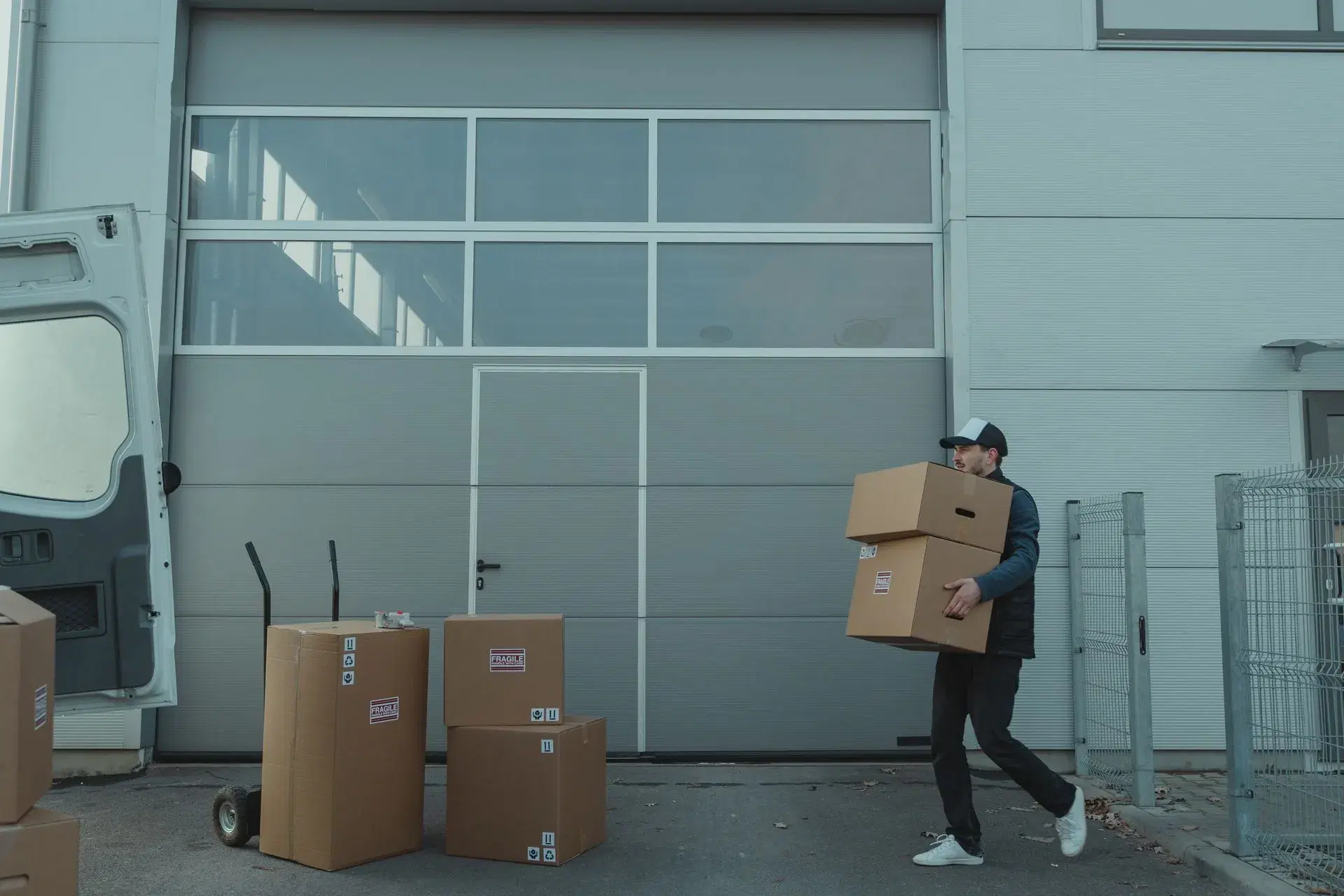
Get the load close. This is the big one. The further a weight sits from your body, the harder your lower back has to work to hold it. The same box held against your chest and held at arm’s length are two very different jobs for your spine. Before you lift, step in.
Plan it before you touch it. Test the weight with a nudge. Look at where you are putting it down and clear the path. Know if you need to turn, and turn with your feet rather than twisting through your back. Most of the awkward lifts we hear about went wrong in the last metre, not the first.
Move smoothly. Sudden snatching, and twisting while holding something heavy, are where people tend to get caught. Set yourself, take the load, then move.
“Keep your back straight” is only half the advice
Your spine is built to bend. It bends when you tie your shoes, pick a sock off the floor and get out of the car. A rounded back is not damage in itself, and people who have been told otherwise often end up frightened of ordinary movement.
What actually tends to hurt people is a combination: a load heavier than usual, a position they had not prepared for, the same movement repeated all day, fatigue, or a surprise: the box is heavier than it looked, or the load shifts halfway up.
So keeping your back roughly neutral for heavy or repeated lifts is sensible advice, because it is the position most of us have practised and are strongest in. Treat it as a good default, not a rule you have broken.
Lifting at work
If you lift for a living (on the tools, in a warehouse, on deliveries, in healthcare or hospitality), the risk is rarely one heroic lift. It is volume.
- Break a big load into two trips rather than proving a point with one.
- Use the trolley, the jack or a second pair of hands. Ask before you need to, not after.
- Set things up at waist height where you can. Lifting from the floor to overhead in one movement is the most demanding version of the task.
- Vary what you do through the day if the job allows it. The same movement for four hours is harder on your body than a mix.
- Watch the last hour of the shift. Fatigue changes your technique before you notice it has.
Lifting at home
The everyday ones catch more people than work does, because nobody warms up for the shopping.
- The car boot. The lip forces you to reach forward, which is the worst position for your back. Slide the load to the edge first, get as close as the bumper allows, then lift.
- Kids. Squat down and let them come to you rather than scooping them from arm’s length. If you carry a toddler on one hip all day, swap sides.
- Shopping. Two lighter trips beat one hero trip, and split the weight between both hands.
- The garden. Kneel rather than stooping, rotate between jobs, and stand up and straighten every so often.
- Furniture and beds. Team lift. Always. This is the one that ends weekends.
If one of these has already sent your lower back into spasm, which lower back stretches are worth doing covers what to do while it settles.
Lifting at the gym
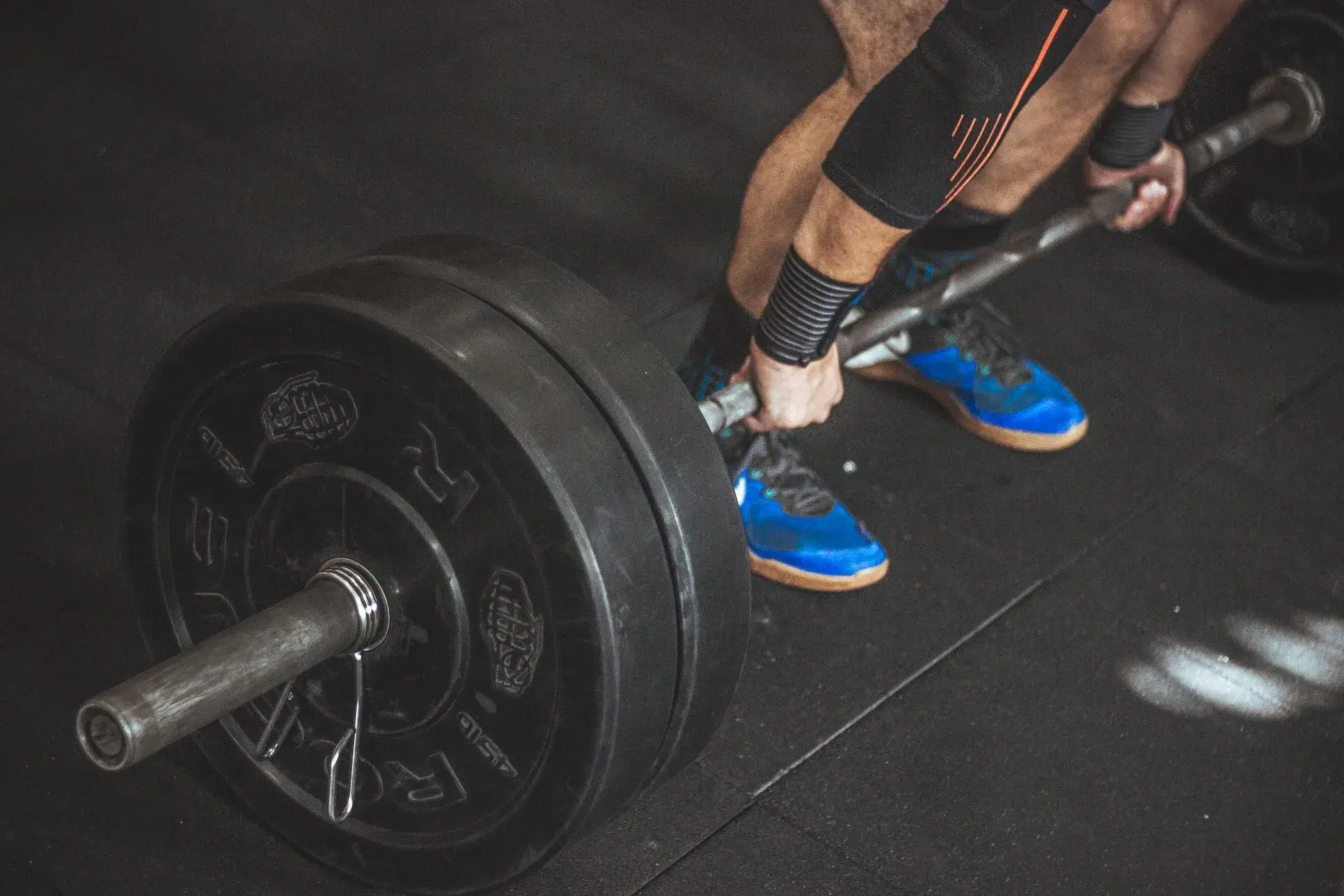
The gym is where lifting is safest, because you control everything, and where people get hurt anyway, usually for one of these reasons.
- The jump was too big. Tissue adapts to load, but it needs time. A steady build over weeks handles far more than a sudden leap in weight or volume.
- No warm-up. A few progressively heavier sets before your working weight is not wasted time.
- Fatigue. The rep that hurts people is usually the last one of the last set, when technique quietly falls apart. Leave something in the tank.
- Bracing. Take a breath in, firm your midsection like you are about to be nudged, then lift. Don’t hold your breath for a whole set.
- Pushing through the wrong pain. Being sore for a day or two after new work is normal. Sharp pain during the movement is not. If one variation always hurts, change the variation and build back to it.
If a gym ache is not settling the way ordinary post-training soreness does, it is worth working out whether it is a niggle or something that needs looking at before you push on.
When to get it looked at
Go to a hospital emergency department straight away if you have numbness or altered feeling around the saddle area, meaning the groin, the inner thighs, the buttocks or the genitals; a loss of normal sensation in the genitals, including during sex; trouble starting to pass urine, or any new change in your bladder or bowel control; weakness in both legs, particularly if it is getting worse; new or worsening pain running down both legs; weakness in one leg that is severe or getting worse, or a foot that has started to catch or drag when you walk; or numbness in a leg that is spreading or getting worse quickly. Go to a hospital emergency department straight away for back or neck pain after a serious fall or a high-impact accident, such as a car accident; back or neck pain with a fever or feeling generally unwell; or new back or neck pain if your immune system is weakened, for instance by long-term steroids or chemotherapy, if you inject drugs, or if you have recently had a spinal injection, spinal surgery or a dental procedure. Go to a hospital emergency department the same day if you have new clumsiness in both hands, or new unsteadiness on your feet. Chest pain or shortness of breath during heavy lifting also needs emergency care, not a chiropractor.
See your GP promptly, before booking here, if you have a history of cancer, unexplained weight loss, pain at night that will not settle in any position, known osteoporosis with new severe pain, numbness that is spreading or getting worse slowly, or new, unexplained back pain as an older adult.
Otherwise, book an assessment if your back grabs every time you lift, if a strain has not shifted in a week or two, if it is stopping you working, or if the same flare-up keeps coming back. Recurring is the word to listen for: a back that goes out three times a year is telling you something about load and capacity, and that is a solvable conversation. Building that capacity back up is what mobility and wellness care is for.
We will look at how you move, not just where it hurts, and be honest about what care can and cannot do.