
A niggle warms up and fades. An injury does not. If the discomfort eases in the first few minutes of your session, does not get worse as you go, and you are no worse the next morning, it is usually a niggle. If it changes how you move, treat it as an injury.
What a niggle actually is
A niggle is usually tissue that has been asked to do slightly more than it was ready for. It is grumbly rather than sharp, it sits in a spot you can point to, and it is often somewhere you have felt before.
They cluster around change. Ask most people what shifted in the two or three weeks before a niggle appeared and there is an answer: pre-season started, the program changed, a big week at work meant less sleep, new shoes, a new bike position, back to running after a break. Tissue adapts to load very well, but it wants that load to arrive gradually.
Being sore after new work is not a sign you have hurt yourself. It is information about how much you did and how ready you were.
Four questions that sort one from the other
1. The warm-up test. Does it ease within the first ten minutes and stay eased? Discomfort that warms up and disappears is usually a niggle. Pain that gets worse the longer you go is not.
2. The next-morning test. How are you when you get out of bed the day after? Settled by then is reassuring. Worse the next day (or worse across a whole week of sessions) means the tissue is not keeping up.
3. The movement test. Are you changing how you move to avoid it? Limping, shortening your stride, dropping your arm, shifting weight onto the other leg, or avoiding a range of motion. This is the most useful question of the four. Once your body is protecting something, calling it a niggle is a decision, not an observation.
4. The direction test. Over two to three weeks, is it trending better, staying flat, or getting worse? Flat or worse is your answer, and three weeks is a fair point to stop waiting.
What to do with a niggle this week
Do not stop. Modify.
Complete rest is rarely the fix for something caused by a load jump: you lose fitness, the tissue loses tolerance, and the same load is waiting for you when you come back. What works better is finding the level you can do without limping or guarding, and working there for a week or two.
- Turn the volume down before the intensity, or drop both a notch. You are aiming for training that does not leave you worse the next day.
- Keep everything that does not hurt. The other leg, the upper body, your aerobic work, your mobility. Staying in the routine matters.
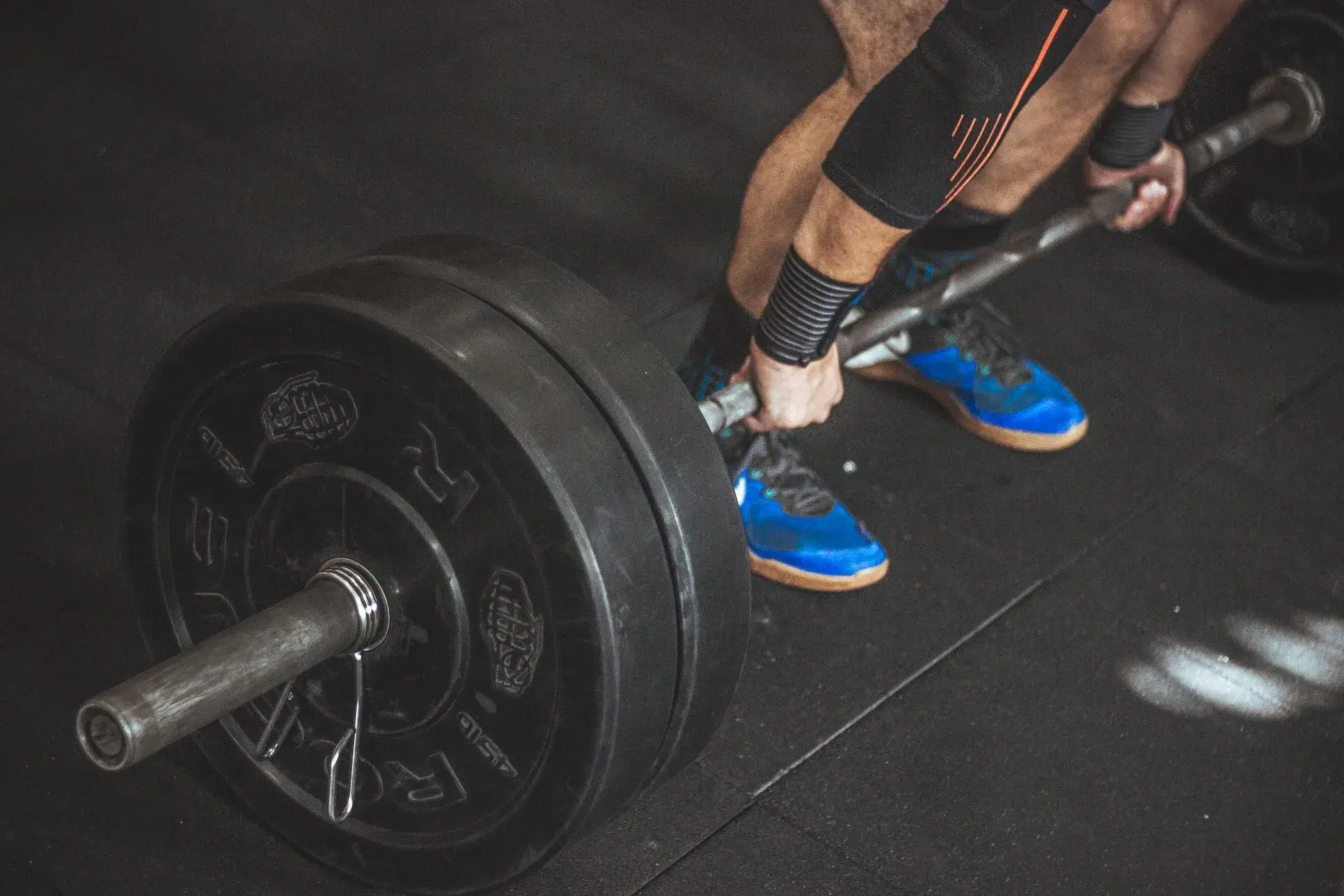
- Find the change. Look at what shifted two or three weeks ago and walk it back a little. If it was a jump in weight, how you lift is worth a read alongside this.
- Warm up longer than you think you need to for the area that is grumbling.
- Look at sleep, food and stress. They are boring answers, and they are genuinely part of how well tissue recovers.
Signs it has stopped being a niggle
Stop training that area and get it assessed if you notice any of these:
- a pop, snap or tearing feeling at the moment it happened
- swelling that came up within an hour
- the joint gave way, caught, locked, or feels unstable
- you cannot put weight on it, or you are limping the next day
- pins and needles, numbness or weakness
- pain at rest or pain that wakes you at night
- three weeks of no improvement despite sensible changes
When to get it looked at
Some things need medical care first, not a chiropractor.
Go to an emergency department or urgent care for an obviously deformed joint or limb, a suspected fracture, a joint that gave way with immediate swelling, or an injury you cannot bear weight through.
Any knock to the head goes to a GP, always. Call an ambulance if there is any confusion, sudden weakness or numbness in the face, arm or leg on one side, facial drooping, slurred speech, sudden trouble speaking, seeing or understanding, loss of vision, a seizure, or a sudden loss of balance or coordination. Call an ambulance or go to a hospital emergency department straight away if a headache comes on suddenly and severely (the worst you have ever had), if a headache arrives with fever, a stiff neck or a rash, or if a headache follows a knock to the head. If there is dizziness, nausea, blurred vision or simply feeling off after a head knock, the session ends there and you do not return to play that day. Suspected concussion is a medical assessment, not something to run off.
Chest pain or shortness of breath during training is an emergency. Treat it as one.
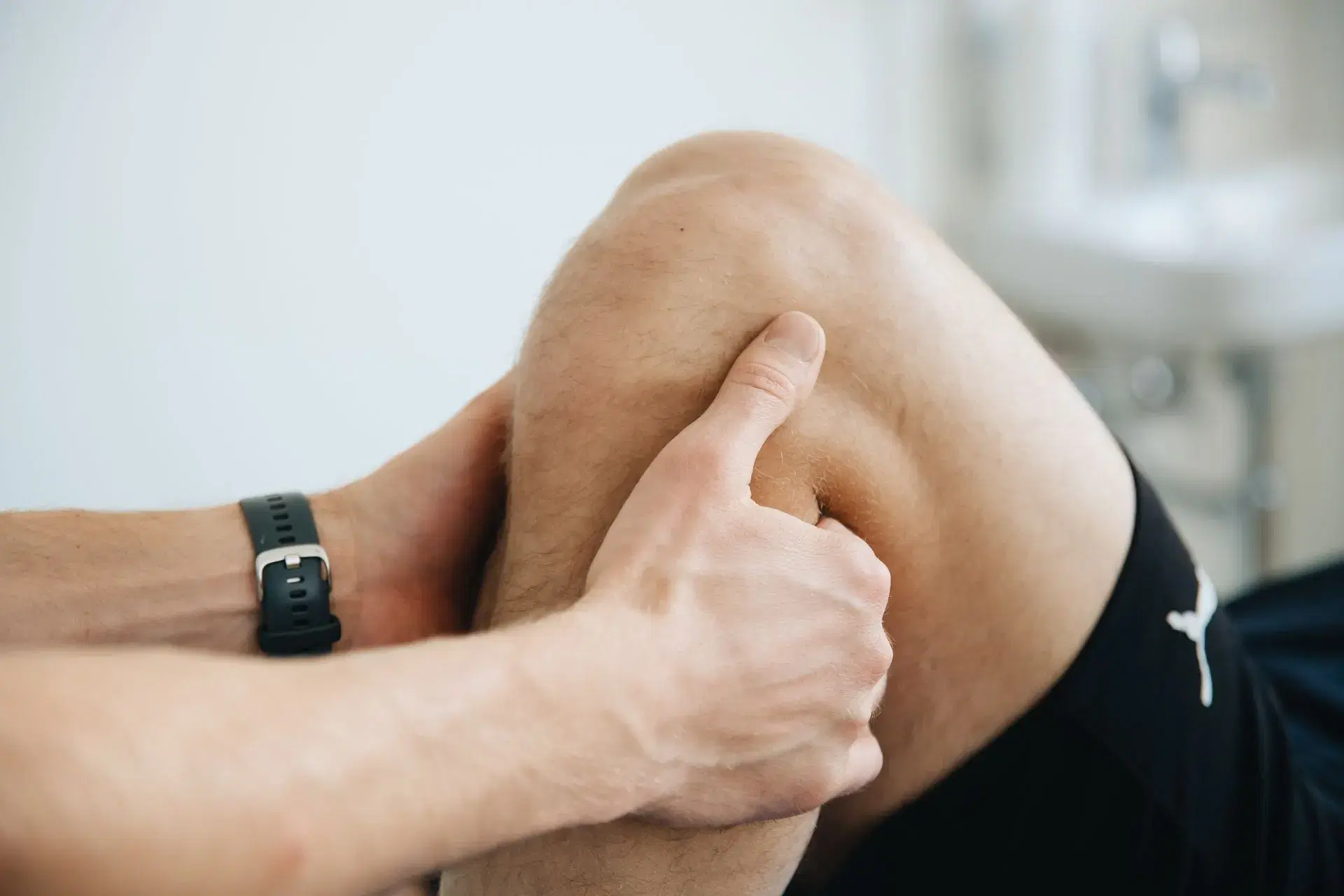
Beyond that, the ordinary threshold for booking is simple: three weeks with no improvement, an old injury that flares every season, or an event coming up that you would rather not gamble on. Earlier is easier than later, and you do not need a referral or a scan to be seen.
At the assessment we work out what is injured, how irritable it is, what it can tolerate right now, and how to load it back up in stages so it does not come straight back when you return to sport. Where a sports physician, physiotherapist or specialist should be part of the picture, we bring them in from that first visit, and your rehabilitation keeps running here alongside.